Rewiring South Africa’s township economy
South Africa’s informal economy generates between R900 billion and R1 trillion a year. Spaza shops alone account for roughly R190 billion across 100,000 outlets, employing 2.6 million people. According to Stats SA, the informal market makes up around 12.3% of GDP and 19.5% of total employment. The question is no longer whether informal trade matters. It is how much value actually stays in the communities that produce it.
That question sits at the heart of economic leakage. The 2025 Township Economy Report by 27four Investment Managers found that a significant share of value generated in townships still flows outwards, largely because around 80% of informal businesses are unregistered and less than 9% can access bank loans. The system makes leaving easier than staying, but making money local is finally becoming a measurable shift.
What is at stake
Think of it in terms of the local multiplier effect: money spent locally generates three to seven times more activity than money spent at non-local retailers. A rand that stays in Khayelitsha, Soshanguve or KwaMashu for one more cycle creates work, supports a stock order, pays a delivery driver. Reducing leakage is the most direct lever we have for township-level employment.
The closed-loop logic
The instinct is to assume financial inclusion means migrating traders onto traditional bank accounts. In practice, that ignores the daily cash cycle of a spaza shop. What is needed is a digital payment platform built for township trade that provides instant settlement, zero in-network fees and low-cost infrastructure.
This is where closed-loop payments become significant. At Shop2Shop, the wallet credits a trader the moment a customer taps to make a payment. Through devices such as the Shop2Shop device, traders accept card payments, including SASSA cards, and pay other traders in the network with no transaction fee. More than 160,000 devices now circulate value rather than letting it leak out. Watch the full conversation on YouTube.
From cash-king to circulation-king
The shorthand has long been that “cash is king” in the informal economy. It is more accurate to say immediacy is king. Real-time, low-cost digital networks now meet that need better than cash ever did and there are practical tips on growing spaza shop sales to help shop owners take advantage. When payments move freely between local participants, money stays local. The township economy is no longer a losing proposition. This is something that retains, reinvests and grows.
By Annelene Dippenaar, Chief Business Officer at Shop2Shop
As featured in Lifestyle & Tech · The Business of Money · Imali Matters
Share this post
Recent Articles

Running a successful business requires more than managing stock, serving customers and generating sales. Business owners must also prepare [...]

Running a spaza shop means doing it all, you’re the cashier, the manager and often the security guard too. [...]
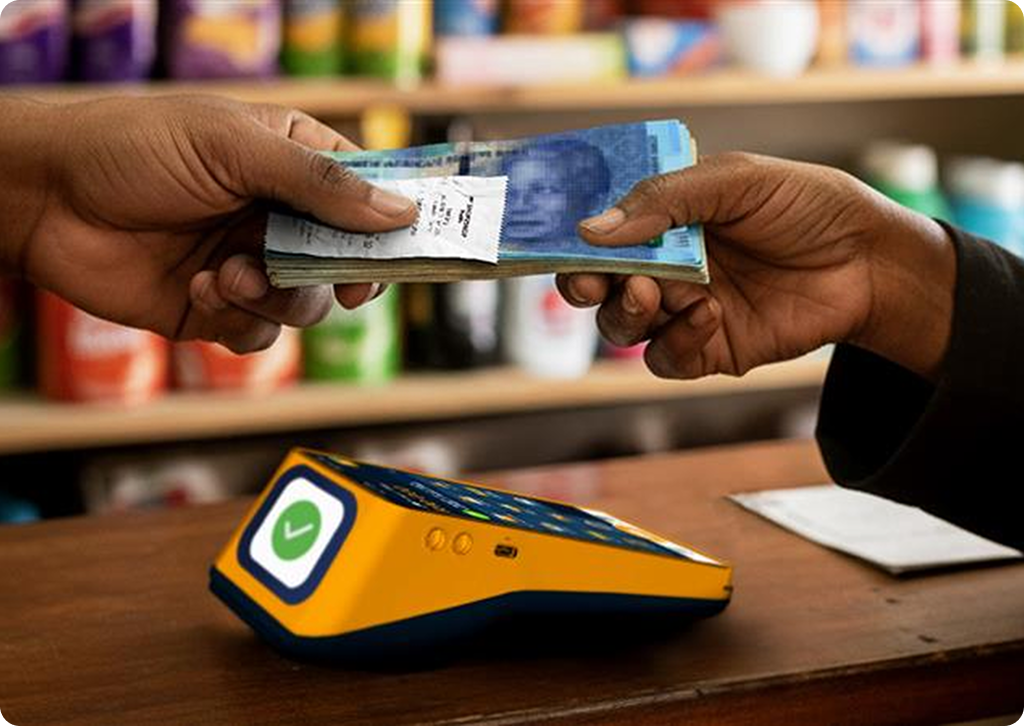
Every month, millions of South Africans brave long queues to collect their SASSA grants. Fortunately, beneficiaries can now collect [...]

Handling cash comes with real risks. Whether you’re a spaza shop, a formal retailer, a distributor or a manufacturer, [...]
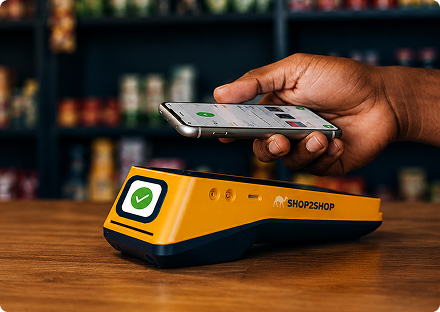
South Africa’s informal economy generates between R900 billion and R1 trillion a year. Spaza shops alone account for roughly R190 billion across [...]
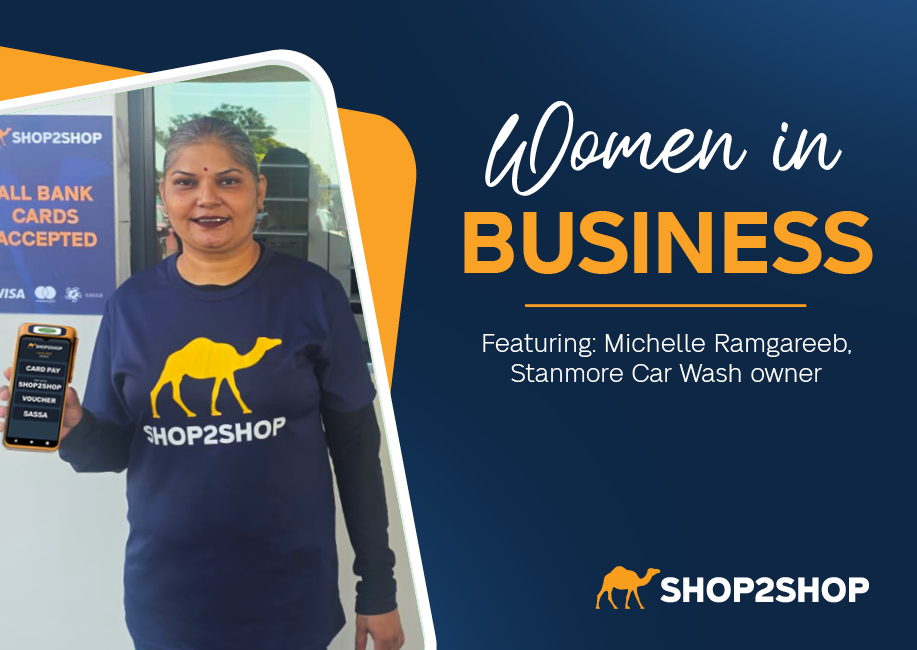
This Women’s Month, we’re celebrating the women who are building businesses and creating better futures for themselves and [...]
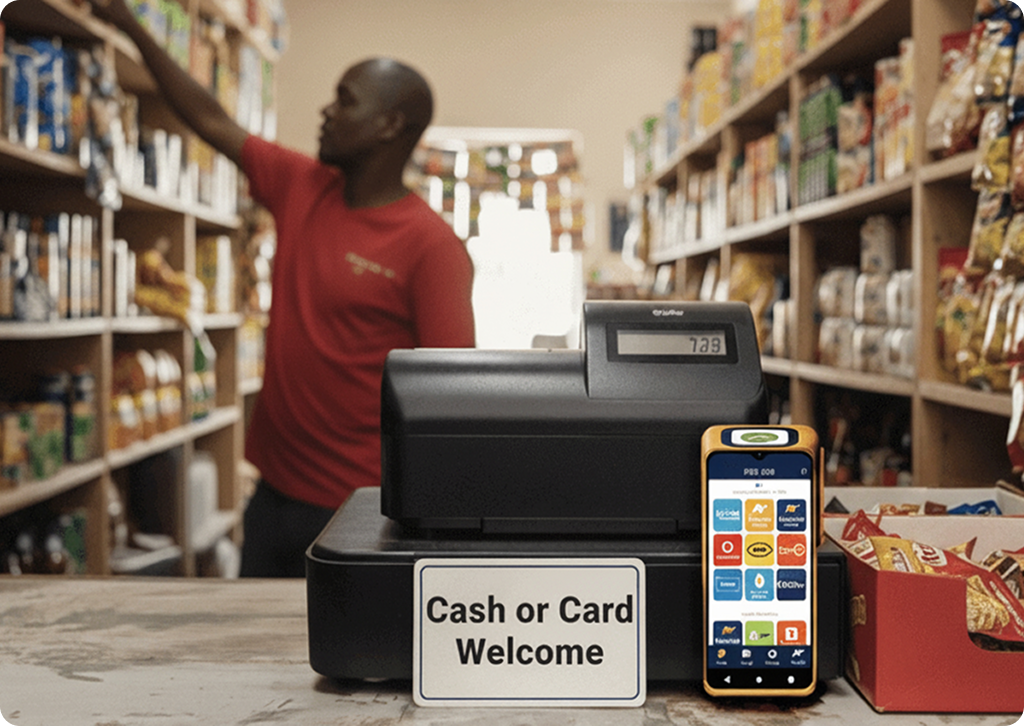
Profit in a spaza shop doesn’t only come from selling goods. The way you accept payments, manage services and [...]

Digital payments have changed dramatically over the past decade. Across Africa, businesses and customers now have more ways to [...]
For many traders, the idea of spaza shop insurance has always felt out of reach: too expensive, too [...]

Shop2Shop’s latest partnership with Standard Bank makes buying an EasyVoucher simpler, faster and more convenient than ever. It's a [...]
Managing stock is one of the biggest challenges for spaza shop owners. A delay in restocking or an [...]

South Africa’s youth unemployment rate stands at 45.8%. That’s 4.7 million young people between the ages of 15 and 34 who are [...]


 WHATSAPP
 CUSTOMER PORTALS
 FOLLOW US