Key trends shaping Africa’s payments landscape
Digital payments have changed dramatically over the past decade. Across Africa, businesses and customers now have more ways to pay than ever before, from mobile wallets and QR code payments to instant bank transfers and online payment platforms.
With so many payment options available, the conversation is no longer just about innovation. It's about trust. How do businesses choose the right payment solution? How do customers know their money and information are safe?
These were some of the key topics discussed at the Africa Payments & RegTech Forum, attended by Shop2Shop's IT Support Analyst, Mmangaliso Nyati. Industry leaders from across banking, fintech and payments shared their perspectives on where the industry is heading and the challenges businesses will need to navigate.
Below are some of the biggest takeaways from the event.
The evolution of digital payments in Africa
Not too long ago, cash was still the preferred payment method for many businesses across Africa. Today, the landscape looks very different. Businesses can accept card payments, EFTs, QR code payments, mobile wallets, contactless payments and even cryptocurrencies.
For small businesses, especially this shift has opened new opportunities. Accepting digital payments makes it easier to serve customers, manage transactions and grow without relying entirely on cash.
As the number of payment options continues to grow, one question becomes more important than ever:
Which payment methods can businesses and customers trust?
Trust has become one of the biggest factors influencing how people choose to pay. Customers expect payment solutions that are secure, easy to use and reliable. For payment providers, building that trust is just as important as developing new technology.
Why trust matters
One message came through clearly at the forum: technology on its own doesn't drive adoption. People need to trust the platform they're using.
Traditional banks have spent decades earning customer confidence. Fintech companies often have to build that confidence much faster while competing in a fast-moving market.
Trust goes beyond processing a payment successfully. It also comes down to things like:
- Clear pricing with no hidden costs
- Reliable payment processing
- Protection against fraud
- Secure customer authentication
- Fair and efficient dispute resolution
Businesses that prioritise these areas are far more likely to build lasting relationships with their customers.
Five trends shaping the future of payments in Africa
-
Better connected payment systems
Digital payments have come a long way, but many payment systems across Africa still don't communicate effectively with one another. This lack of integration creates unnecessary friction when businesses need to transact across different banks, providers or countries.
Improving connectivity between payment platforms will make transactions quicker and create a better experience for both businesses and customers.
-
Cross-border payments are still complex
Trading across borders is becoming more common, but making payments across countries is often more difficult than it should be.
Currency conversion, settlement processes and different regulatory requirements continue to create challenges for businesses operating in multiple markets.
Initiatives such as the African Continental Free Trade Area (AfCFTA) are helping to move the industry in the right direction, but there is still work to be done before cross-border payments become truly seamless.
-
Collaboration is essential
One organisation cannot solve every challenge facing the payments industry.
Banks, fintech companies, regulators, telecommunications providers and payment businesses all have an important role to play. The strongest solutions are often developed when these industries work together instead of in isolation.
-
Fraud prevention continues to evolve
As digital payments become more common, fraudsters continue to adapt their methods.
Businesses need to invest in tools that can identify suspicious activity quickly while also strengthening their internal security practices. Technology plays a major role, but employee awareness remains just as important.
-
New technologies will continue to shape the industry
The payments industry isn't standing still. Developments in RegTech, open finance, artificial intelligence and digital assets are already changing how businesses operate.
These technologies bring exciting opportunities, but they also raise new questions around governance and data management. Organisations that embrace innovation while maintaining strong controls will be in the best position to adapt as the industry evolves.
What these trends mean for South African businesses
Whether you're a small business owner, retailer or part of a larger organisation, digital payments are becoming an essential part of doing business.
Based on the discussions at the forum, there are a few areas businesses should continue focusing on:
- Build trust by making payment experiences simple, secure and transparent.
- Invest in fraud prevention and cybersecurity.
- Keep customer and business data accurate and well managed.
- Look for partnerships that improve customer convenience and payment accessibility.
- Stay informed as payment technologies and regulations continue to evolve.
Digital payments are no longer just another payment option. They're becoming a normal part of how businesses operate and how customers expect to transact.
Looking ahead
Africa's payments landscape is changing quickly, creating opportunities for businesses of every size. New technology will continue to improve the way people pay, but technology alone won't determine who succeeds.
At Shop2Shop, we believe digital payment solutions should make running a business easier, not more complicated. Keeping up with industry developments helps us continue building solutions that support South African businesses today and into the future.
Share this post
Recent Articles
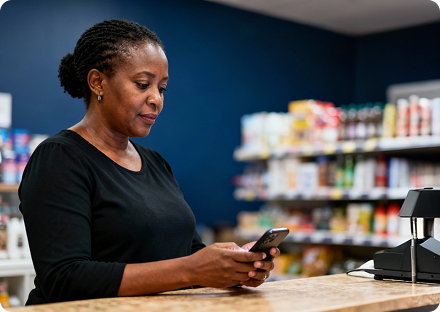
Running a successful business requires more than managing stock, serving customers and generating sales. Business owners must also prepare [...]

Running a spaza shop means doing it all, you’re the cashier, the manager and often the security guard too. [...]
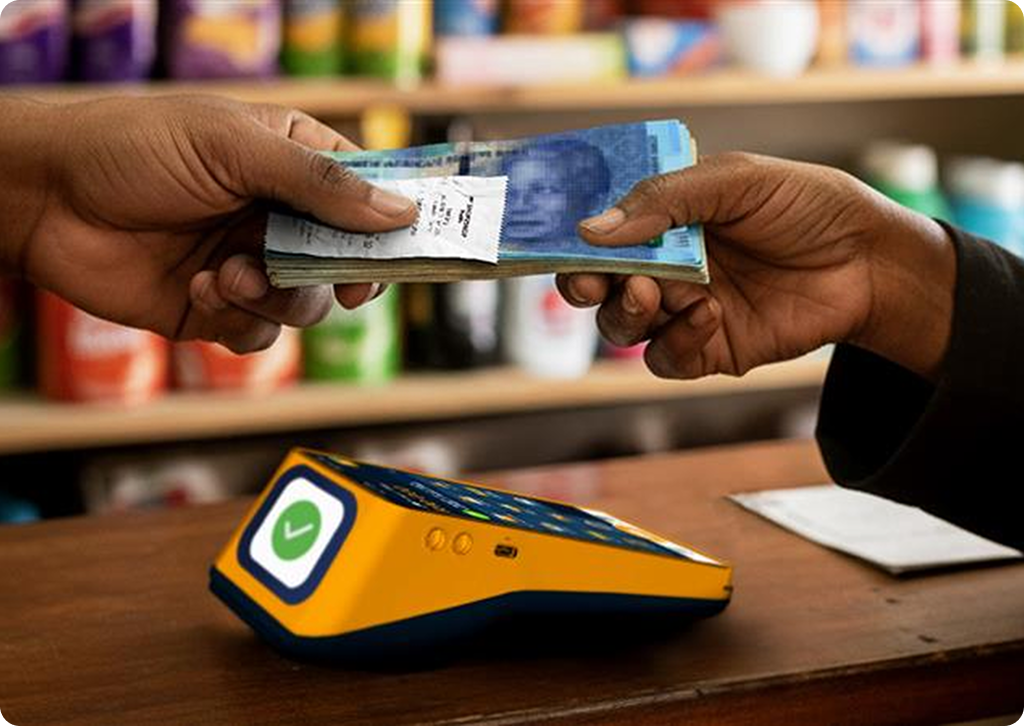
Every month, millions of South Africans brave long queues to collect their SASSA grants. Fortunately, beneficiaries can now collect [...]
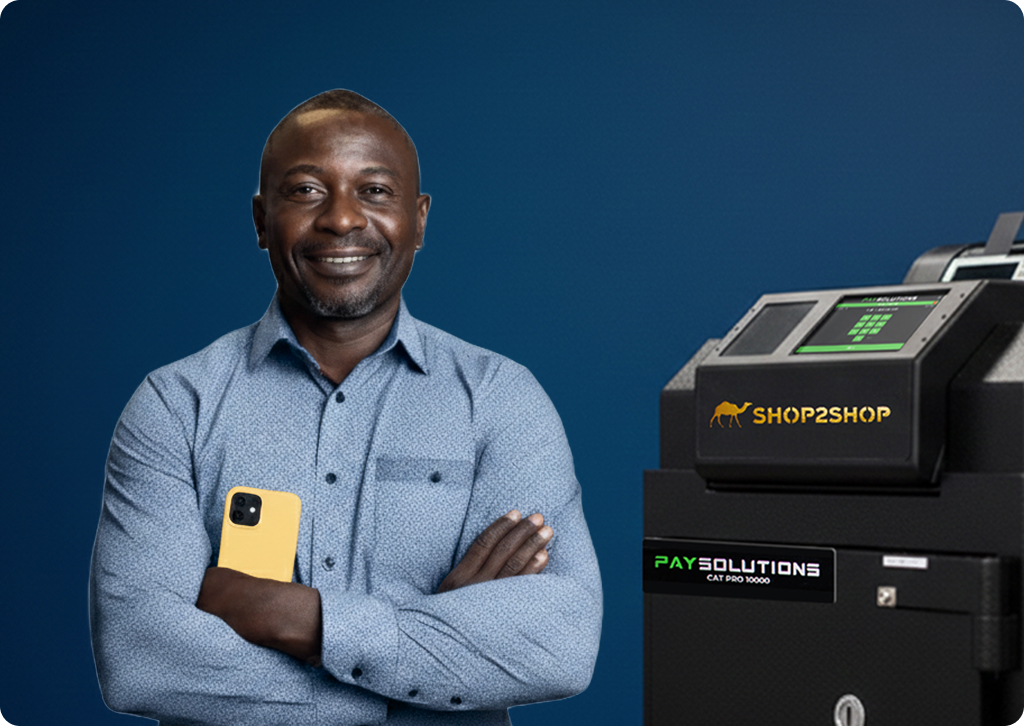
Handling cash comes with real risks. Whether you’re a spaza shop, a formal retailer, a distributor or a manufacturer, [...]
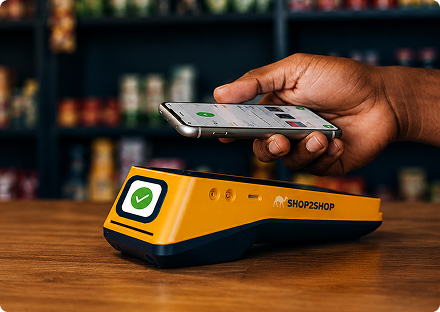
South Africa’s informal economy generates between R900 billion and R1 trillion a year. Spaza shops alone account for roughly R190 billion across [...]
This Women’s Month, we’re celebrating the women who are building businesses and creating better futures for themselves and [...]
Profit in a spaza shop doesn’t only come from selling goods. The way you accept payments, manage services and [...]

Digital payments have changed dramatically over the past decade. Across Africa, businesses and customers now have more ways to [...]
For many traders, the idea of spaza shop insurance has always felt out of reach: too expensive, too [...]

Shop2Shop’s latest partnership with Standard Bank makes buying an EasyVoucher simpler, faster and more convenient than ever. It's a [...]
Managing stock is one of the biggest challenges for spaza shop owners. A delay in restocking or an [...]

South Africa’s youth unemployment rate stands at 45.8%. That’s 4.7 million young people between the ages of 15 and 34 who are [...]


 WHATSAPP
 CUSTOMER PORTALS
 FOLLOW US